
Modern multiplayer games are fundamentally changing how people form and maintain friendships online. Studies show that gamers are developing deeper social connections through shared virtual experiences than traditional social media. Gaming platforms have become the new digital town squares for Generation Z.
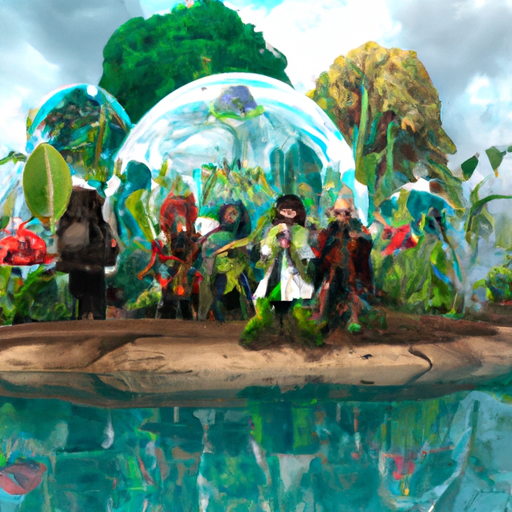
The landscape of social interaction has undergone a dramatic transformation in recent years, with multiplayer gaming emerging as a dominant force in how people connect, communicate, and build relationships. What was once considered a solitary hobby has evolved into one of the most powerful social networking tools of our time, creating communities that transcend geographical boundaries and cultural differences.
Recent research from the University of Oxford has revealed that gamers who regularly participate in multiplayer experiences report stronger and more meaningful relationships than those primarily using traditional social media platforms. The study, which followed 10,000 participants over two years, found that the collaborative nature of gaming creates stronger bonds through shared challenges and achievements.
The mechanics of modern multiplayer games are specifically designed to foster social interaction and team building. Whether it's coordinating strategies in battle royale games, managing guild responsibilities in MMORPGs, or working together in cooperative campaigns, these experiences create natural opportunities for meaningful communication and collaboration.
Platforms like Discord have become central hubs for gaming communities, extending the social aspect beyond actual gameplay. These spaces allow players to maintain connections, plan gaming sessions, and engage in conversations about shared interests, creating persistent social networks that rival traditional friendship circles.
The COVID-19 pandemic accelerated this trend, as people turned to gaming for both entertainment and social connection during periods of isolation. Games like Animal Crossing: New Horizons and Among Us became virtual meeting grounds, hosting everything from casual hangouts to wedding ceremonies.
Particularly interesting is how different generations approach social gaming. Generation Z, having grown up with these platforms, views gaming spaces as natural extensions of their social lives. For many, logging into their favorite game is equivalent to meeting friends at a local hangout spot.
Game developers have taken notice of this social evolution, increasingly designing games with social features at their core. The success of games like Fortnite isn't just about gameplay - it's about creating virtual spaces where people can gather, interact, and share experiences.
The impact extends beyond casual socializing. Professional networks are forming through gaming, with many people reporting that connections made through games have led to career opportunities and professional collaborations. Some companies are even using gaming platforms for team building and remote work coordination.
Mental health professionals are also recognizing the positive potential of social gaming. When approached healthily, these platforms can help combat loneliness, provide social support systems, and develop important social skills. This is particularly relevant for individuals who might struggle with traditional social interactions.
However, this evolution comes with its challenges. Issues of online toxicity, addiction, and privacy concerns need to be addressed as these platforms continue to grow. Game developers and platform holders are investing heavily in tools and systems to create safer, more inclusive social spaces.
The future of social gaming looks increasingly sophisticated. Virtual and augmented reality technologies promise to make these interactions even more immersive and meaningful. Projects like Meta's metaverse concept draw heavy inspiration from gaming platforms, recognizing their success in creating engaging social spaces.
Educational institutions are beginning to study these phenomena more seriously, with some universities offering courses that examine the sociology of gaming communities. This academic interest reflects the growing recognition of gaming's role in modern social structures.
As we look ahead, it's clear that the line between gaming and social networking will continue to blur. The next generation of social platforms is likely to incorporate more gaming elements, while games will continue to evolve as social spaces first and competitive environments second.
This transformation represents a fundamental shift in how we think about both gaming and social interaction. The stereotype of the isolated gamer has been replaced by the reality of deeply connected communities sharing meaningful experiences through play. As technology continues to evolve, these connections will only become more sophisticated and integral to our social fabric.