

Video games have transcended their entertainment origins to become powerful cultural influencers in art, education, and social connection. Research shows gaming's positive impact on problem-solving skills and emotional well-being. The medium's artistic achievements are gaining recognition in prestigious cultural institutions worldwide.
Video games have evolved far beyond their initial role as simple entertainment, emerging as a dominant force in shaping contemporary culture, art, and social interaction. This transformation represents a fundamental shift in how society views and engages with interactive entertainment, marking a new chapter in cultural history.
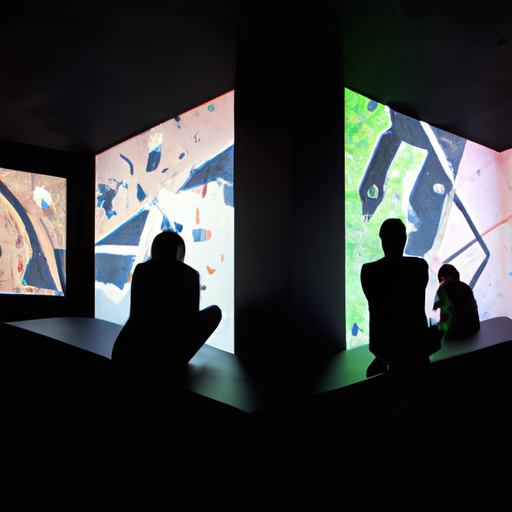
The artistic legitimacy of video games has gained significant recognition in recent years. Major museums, including the Museum of Modern Art in New York and the Victoria and Albert Museum in London, have established permanent video game collections. These institutions acknowledge games as an important form of contemporary art, celebrating their unique combination of visual design, narrative storytelling, and interactive elements.
In education, video games have proven to be powerful tools for learning and skill development. Educational institutions are increasingly incorporating game-based learning into their curricula, recognizing the medium's ability to engage students and facilitate complex problem-solving. Studies have shown that properly designed educational games can improve cognitive function, enhance memory retention, and develop critical thinking skills.
The social impact of gaming has been particularly profound in the digital age. Online gaming communities have created new forms of social interaction and collaboration, transcending geographical and cultural boundaries. These virtual spaces have become important venues for friendship formation and cultural exchange, especially during periods of physical isolation.
The narrative sophistication of modern video games rivals that of traditional storytelling mediums. Games now tackle complex themes such as identity, ethics, and social justice, often providing players with meaningful choices that prompt reflection on real-world issues. This evolution in storytelling has attracted talented writers, actors, and directors from other entertainment industries.
The therapeutic potential of video games has gained attention from healthcare professionals and researchers. Games are being used to treat various conditions, from physical rehabilitation to mental health challenges. The immersive nature of gaming can provide effective stress relief, pain management, and emotional regulation tools.
Gaming's influence extends into other cultural domains, including fashion, music, and film. Major fashion brands collaborate with game developers on virtual clothing lines, while musicians premiere new works through game platforms. The aesthetics and narratives of popular games increasingly influence television and film production.
The democratization of game development tools has led to a flourishing independent game scene. Small studios and individual creators now have the ability to produce and distribute games that push creative boundaries and address niche interests. This has resulted in greater diversity in both game creators and the stories being told.
The economic impact of gaming culture extends beyond direct game sales. Streaming platforms, merchandise, conventions, and competitive gaming have created new industries and career opportunities. The influence of gaming culture can be seen in marketing, advertising, and brand strategy across various sectors.
As virtual and augmented reality technologies mature, gaming's cultural influence is likely to grow even stronger. These technologies promise to blur the lines between physical and digital experiences, potentially reshaping how we work, learn, and socialize.
The intersection of gaming with other technological trends, such as artificial intelligence and blockchain, suggests even more profound cultural changes ahead. These combinations could lead to new forms of creative expression, social organization, and economic activity.
Perhaps most significantly, gaming has helped establish digital literacy as a fundamental skill in modern society. The ability to navigate and interact with complex digital environments, often learned through gaming, has become increasingly valuable in many professional and social contexts.