
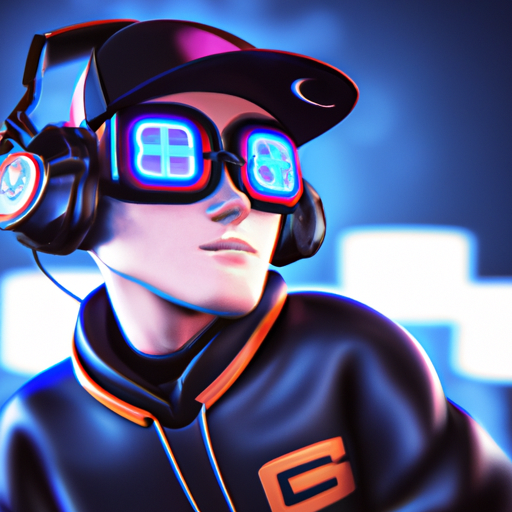
Breakthrough AI technologies are revolutionizing how NPCs interact with players in modern games. Major studios are implementing advanced machine learning systems that create truly dynamic and adaptive character behaviors. These innovations promise to fundamentally change storytelling in games.

The gaming industry stands on the brink of a revolutionary transformation as artificial intelligence reshapes the way non-player characters (NPCs) think, learn, and interact with players. This technological leap promises to create more immersive, responsive, and emotionally engaging gaming experiences than ever before.
Traditional NPCs have long been constrained by pre-written dialogue trees and scripted behaviors, often leading to repetitive and predictable interactions that break player immersion. However, recent advances in machine learning and natural language processing are shattering these limitations, giving rise to NPCs that can learn, adapt, and respond to players in increasingly sophisticated ways.
Leading game developers are already implementing early versions of these systems. Companies like Nvidia and Unity are developing specialized AI frameworks that allow NPCs to generate contextual dialogue in real-time, remember past interactions, and modify their behavior based on player actions and choices.
One of the most significant breakthroughs comes in the form of emotional intelligence algorithms. These systems allow NPCs to recognize and respond to subtle social cues, tone of voice, and even player body language in VR environments. This emotional awareness creates more authentic relationships between players and virtual characters.
The implications for storytelling are profound. Instead of following rigid narrative paths, games can now feature truly dynamic storylines that evolve based on organic interactions between players and AI-driven characters. Each playthrough becomes unique, shaped by the individual relationships and decisions made along the way.
Procedural character development is another exciting frontier. AI systems can now generate unique personality traits, backstories, and character arcs for NPCs, ensuring that every character encountered feels distinct and memorable. This technology is particularly impactful in open-world games, where players expect to meet hundreds of different characters.
The technical challenges of implementing these systems are substantial. Developers must balance the complexity of AI behavior with processing power limitations and ensure that character actions remain coherent within the game's narrative framework. This has led to innovative solutions in cloud computing and distributed AI processing.
Security and ethical considerations also play a crucial role. Developers must ensure that AI-driven NPCs cannot be manipulated to produce harmful content or behaviors, while also protecting player privacy when these systems learn from player interactions.
Early testing has shown remarkable results. Players report stronger emotional connections with AI-driven NPCs, higher replay value due to varied interactions, and more memorable gaming experiences overall. This positive feedback is driving further investment in the technology.
The educational potential of advanced NPC AI extends beyond entertainment. These systems can be used to create interactive training simulations, language learning programs, and therapeutic applications where natural, adaptive interaction is crucial.
Industry experts predict that within the next five years, we'll see games featuring NPCs capable of maintaining long-term relationships with players, developing unique personalities based on interactions, and even learning from the collective experiences of all players globally.
However, this evolution raises interesting philosophical questions about the nature of gaming experiences. As NPCs become more sophisticated, the line between scripted content and emergent narrative becomes increasingly blurred, challenging traditional concepts of game design.
The impact on game development workflows is also significant. Writers and designers must adapt to creating character frameworks rather than specific dialogue lines, while new roles emerge for AI trainers and behavior specialists.
As we look to the future, the potential applications seem limitless. Virtual worlds populated by truly intelligent NPCs could revolutionize not just gaming, but social platforms, educational tools, and professional training systems. The technology represents a fundamental shift in how we interact with virtual characters and spaces.
This new era of NPC intelligence marks a significant milestone in the evolution of gaming, promising experiences that are more immersive, personal, and meaningful than ever before. As these technologies continue to mature, they will undoubtedly reshape our expectations of what games can be.