
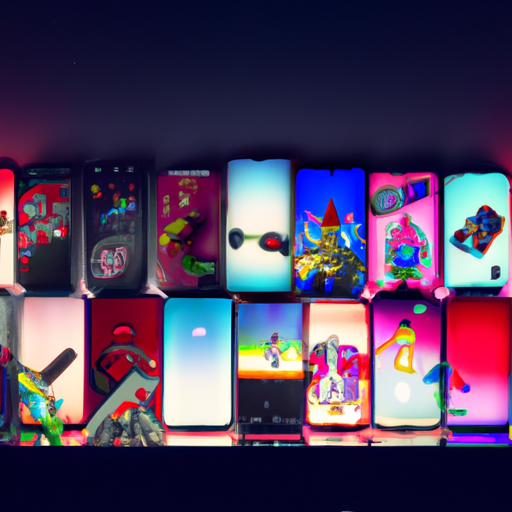
Mobile gaming has transformed from simple pre-loaded games to a $100 billion industry revolutionizing how we play. New subscription services like Apple Arcade and Google Play Pass are changing the monetization landscape. The mobile platform is now attracting major developers and innovative new gameplay experiences.

The journey of mobile gaming from simple pre-installed games to today's sophisticated gaming platform represents one of the most remarkable transformations in entertainment history. What began with Nokia's Snake has evolved into a diverse ecosystem that rivals traditional gaming platforms in both revenue and cultural impact.
The early days of mobile gaming were defined by technical limitations and simple gameplay mechanics. Games like Snake and Tetris were perfectly suited to the basic displays and limited processing power of early mobile phones. These games, despite their simplicity, laid the foundation for what would become a global gaming revolution.
The introduction of smartphones, particularly the iPhone in 2007, marked a paradigm shift in mobile gaming. Touchscreens opened up new possibilities for game design, while improved processing power and graphics capabilities allowed for more complex and visually appealing games. The launch of the App Store created a new marketplace for games, democratizing game development and distribution.
Casual games like Angry Birds and Candy Crush Saga demonstrated the massive potential of mobile gaming, reaching audiences far beyond traditional gamers. These titles proved that mobile games could achieve mainstream success and generate substantial revenue through free-to-play models with in-app purchases.
The evolution of mobile hardware has continued to push the boundaries of what's possible in mobile gaming. Modern smartphones now pack enough processing power to run games that would have been impossible on consoles just a few generations ago. This technical capability has attracted major developers and publishers to the platform.
The rise of subscription services represents the latest phase in mobile gaming's evolution. Apple Arcade and Google Play Pass offer curated collections of premium games without ads or in-app purchases, providing an alternative to the dominant free-to-play model. These services have encouraged developers to create more innovative and experimental games, knowing they don't need to rely on traditional monetization methods.
Mobile esports has emerged as a significant trend, with games like PUBG Mobile and Mobile Legends: Bang Bang drawing massive competitive scenes, particularly in Asia. These games have demonstrated that mobile devices can deliver compelling competitive experiences that rival their PC and console counterparts.
The integration of advanced technologies like augmented reality (AR) has opened up new possibilities for mobile gaming. Games like Pokémon GO have shown how mobile devices can blend virtual and real-world experiences in ways that other platforms cannot match. The success of these AR games hints at future innovations in mobile gaming.
Cross-platform play has become increasingly common, with many games offering seamless experiences across mobile, PC, and console platforms. This integration has helped legitimize mobile gaming in the eyes of traditional gamers and has encouraged developers to maintain consistent quality across all platforms.
The impact of mobile gaming on the broader gaming industry cannot be overstated. Mobile platforms have introduced gaming to billions of new players, particularly in regions where traditional gaming hardware was less accessible. This democratization of gaming has led to more diverse player bases and new approaches to game design.
Developers have had to adapt to the unique challenges and opportunities of mobile gaming. Touch controls, shorter play sessions, and varying network conditions have all influenced how games are designed for mobile platforms. This has led to innovations in user interface design and gameplay mechanics that have influenced gaming as a whole.
The future of mobile gaming looks increasingly sophisticated, with cloud gaming services like Xbox Cloud Gaming and NVIDIA GeForce NOW bringing console-quality games to mobile devices. These services could further blur the lines between mobile and traditional gaming platforms.
However, challenges remain in the mobile gaming space. Concerns about predatory monetization practices, particularly in games marketed to children, have led to increased scrutiny and calls for regulation. The industry continues to grapple with finding sustainable and ethical business models.
As we look to the future, mobile gaming seems poised for continued innovation and growth. The advent of 5G networks, more powerful mobile processors, and new display technologies will enable even more ambitious gaming experiences. The platform's accessibility and convenience ensure it will remain a crucial part of the gaming landscape.
The evolution of mobile gaming from simple beginnings to its current state represents more than just technical advancement – it's a story of how gaming has become truly universal. As the platform continues to mature, it will undoubtedly play a crucial role in shaping the future of interactive entertainment.