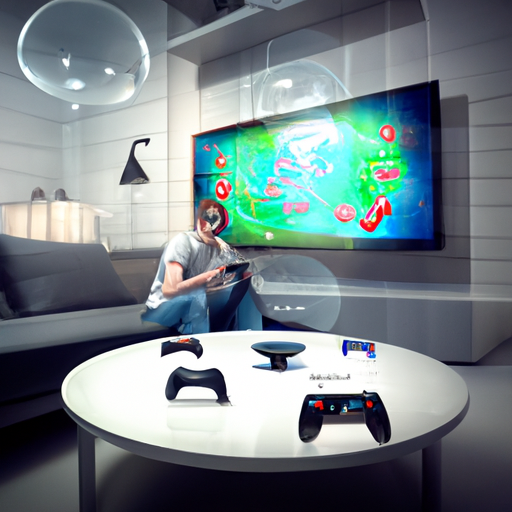

Mobile esports have seen explosive growth with prize pools now reaching millions of dollars. Major traditional esports organizations are rapidly expanding into mobile gaming divisions. The phenomenon is particularly transformative in emerging markets where mobile devices are the primary gaming platform.
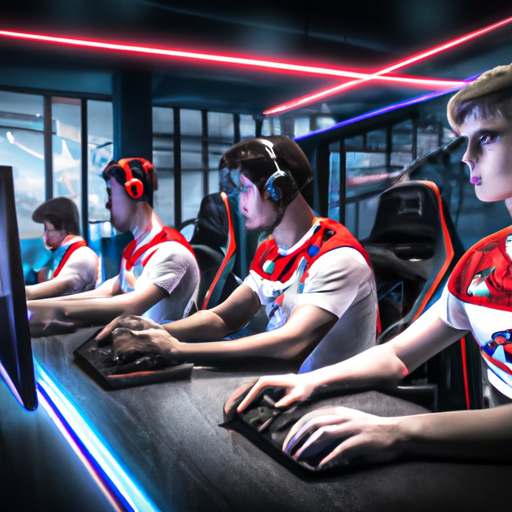
The mobile gaming landscape has undergone a remarkable transformation in recent years, evolving from casual time-killers to a legitimate competitive platform that's reshaping the esports industry. This dramatic shift has created new opportunities for players, developers, and organizations while challenging traditional notions of competitive gaming.
The numbers tell a compelling story. Mobile esports tournaments are now regularly offering prize pools that rival or exceed their PC counterparts. Games like PUBG Mobile and Mobile Legends: Bang Bang have seen individual tournament prizes surpass $3 million, while Honor of Kings tournaments in China have reached unprecedented heights with $10 million prize pools.
What's driving this explosive growth? The accessibility of mobile devices plays a crucial role. With over 3.5 billion smartphone users worldwide, the potential player base for mobile esports dwarfs traditional gaming platforms. This vast audience has attracted major investments from sponsors and advertisers who recognize the unique opportunity to reach a diverse, global audience.
The technical capabilities of modern smartphones have also evolved significantly. Current flagship devices offer sophisticated graphics processing, high refresh rate displays, and advanced cooling systems specifically designed for gaming. This hardware evolution has enabled the development of more complex and competitive games that can support professional-level play.
Emergent markets have been particularly instrumental in driving mobile esports growth. In regions like Southeast Asia, South Asia, and Latin America, where PC and console gaming infrastructure is less developed, mobile has become the primary platform for competitive gaming. Countries like Indonesia and Brazil have seen the emergence of dedicated mobile esports leagues with significant following and commercial success.
Traditional esports organizations have taken notice. Teams like Team SoloMid, Cloud9, and Fnatic have established mobile divisions, often fielding multiple teams across different games. These organizations are investing in training facilities, coaching staff, and support infrastructure specifically for their mobile players, treating them with the same professionalism as their PC teams.
The ecosystem supporting mobile esports has also matured. Specialized streaming platforms optimized for mobile gameplay have emerged, while traditional platforms like YouTube and Twitch have adapted their services to better accommodate mobile content. Tournament organizers have developed new broadcast technologies and formats that enhance the viewing experience for mobile esports.
Game developers have responded to this trend by designing titles specifically for competitive mobile play. These games often feature sophisticated ranking systems, tournament integration, and spectator modes that rival PC esports titles. Companies like Riot Games have created mobile versions of their popular titles, such as League of Legends: Wild Rift, specifically designed for the competitive mobile market.
The professionalization of mobile esports has led to the development of new career paths. Beyond professional players, there's growing demand for mobile-specific coaches, analysts, commentators, and content creators. Educational institutions are beginning to include mobile esports in their gaming and esports programs, recognizing its growing importance in the industry.
Monetization models in mobile esports have evolved beyond traditional methods. While prize pools and sponsorships remain important, teams and players are exploring innovative approaches such as in-game collaborations, exclusive mobile content creation, and mobile-specific merchandise lines. The integration of mobile payment systems has made it easier for fans to support their favorite players and teams.
However, challenges remain. The touch-screen interface of mobile devices continues to be a point of debate regarding competitive integrity, leading to discussions about the standardization of external controllers and peripherals. There are also concerns about the sustainability of the current growth rate and the potential for market saturation.
Looking ahead, the future of competitive mobile gaming appears bright. The continuing improvement in mobile technology, including the rollout of 5G networks and advances in mobile GPU capabilities, promises to further enhance the competitive gaming experience. The potential integration of augmented reality and other emerging technologies could open new avenues for mobile esports.
As mobile esports continues to grow, it's likely to increasingly influence the broader gaming industry. The success of mobile competitive gaming has already prompted traditional game developers to reconsider their approach to mobile platforms, and this trend is expected to accelerate. The line between mobile and traditional esports may continue to blur, potentially leading to a more unified competitive gaming landscape.