

Mobile esports have exploded in popularity, with tournaments now offering prize pools rivaling traditional PC competitions. The phenomenon has created a new class of professional players who exclusively compete on mobile devices. Asian markets are leading this revolution, with mobile esports viewership surpassing traditional sports in several countries.
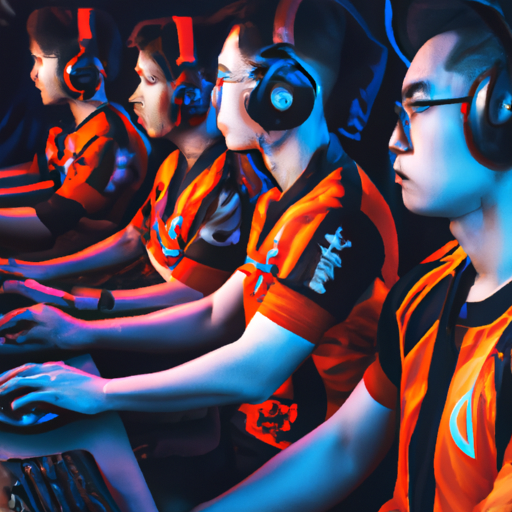
The mobile gaming landscape has undergone a remarkable transformation, evolving from simple casual games to hosting some of the most watched competitive events in the world. This shift represents a fundamental change in how we perceive mobile gaming and its place in the broader esports ecosystem.
The rise of mobile esports can be traced to several key factors that converged over the past few years. Technological improvements in mobile devices, including higher refresh rate displays, more powerful processors, and sophisticated touch controls, have made competitive gaming on smartphones more viable than ever before. Game developers have responded by creating increasingly complex and competitive titles specifically designed for mobile platforms.
Mobile esports titles like PUBG Mobile, Mobile Legends: Bang Bang, and Arena of Valor have established massive competitive scenes, particularly in Asia. These games regularly draw millions of concurrent viewers during major tournaments, with prize pools now reaching into the millions of dollars. The accessibility of mobile gaming has created a more diverse competitive scene, with players from regions traditionally underrepresented in PC esports finding success.
The professional mobile gaming scene has developed its own unique culture and ecosystem. Teams dedicated solely to mobile esports have emerged, complete with training facilities, coaches, and support staff. These organizations have helped legitimize mobile esports, attracting sponsors and investors who previously might have been skeptical of the platform's competitive potential.
Infrastructure for mobile esports has evolved rapidly to meet growing demand. Purpose-built arenas featuring specialized mobile gaming setups have appeared in major cities, while streaming platforms have developed mobile-specific features to enhance the viewing experience. Tournament organizers have adapted their formats to accommodate the unique aspects of mobile competition, creating more engaging spectator experiences.
The economic impact of competitive mobile gaming has been substantial. Mobile esports has opened new revenue streams through in-game purchases, sponsorships, and media rights. The lower barrier to entry compared to PC or console gaming has resulted in a larger potential player base, making mobile esports particularly attractive to advertisers and investors.
Training and talent development in mobile esports has become increasingly sophisticated. Professional teams employ analysts to study meta strategies, while players work with physical trainers to maintain hand dexterity and prevent injuries. The level of dedication and professionalism rivals that of traditional esports, with many players practicing for up to 12 hours daily.
The global reach of mobile esports has led to interesting regional variations in competitive styles and preferred games. While battle royale and MOBA games dominate in Asia, other regions have developed strong communities around different genres. This diversity has enriched the global mobile esports scene, leading to exciting international competitions.
Community engagement plays a crucial role in mobile esports' success. Game developers maintain close relationships with their competitive communities, regularly implementing feedback and updates to maintain competitive balance. Social features within mobile games have created strong community bonds, fostering a sense of belonging among players and fans.
The future of mobile esports looks promising, with several trends suggesting continued growth. The rollout of 5G networks promises to improve competitive mobile gaming experiences, while advances in mobile hardware continue to narrow the gap with traditional gaming platforms. Emerging markets are showing particular potential for growth, as mobile devices often serve as the primary gaming platform in these regions.
However, challenges remain. Questions about competitive integrity, particularly regarding cheating and fair play, require ongoing attention from tournament organizers and developers. The rapid pace of mobile hardware advancement also creates questions about standardization in competitive play.
As mobile esports continues to mature, its influence on the broader gaming industry grows more significant. Traditional esports organizations are increasingly investing in mobile divisions, while game developers are considering mobile esports potential during the early stages of game design. The line between mobile and traditional esports continues to blur, suggesting a future where platform distinctions matter less than the quality of competition and entertainment.
The evolution of competitive mobile gaming from casual distraction to legitimate esport represents a significant shift in gaming culture. As technology continues to advance and the mobile gaming audience grows, we can expect mobile esports to play an increasingly important role in the future of competitive gaming.