
Video games are increasingly being recognized for their therapeutic potential in mental health treatment. New games specifically designed for mental wellness are gaining popularity among players and healthcare professionals. Research shows promising results in using gaming for anxiety and depression management.
The intersection of gaming and mental health has evolved significantly in recent years, with video games emerging as unexpected but powerful tools for emotional wellness and psychological support. This transformation represents a dramatic shift from historical concerns about gaming's negative mental health impacts to a growing recognition of its therapeutic potential.
A new wave of games specifically designed for mental health support has emerged, combining engaging gameplay mechanics with evidence-based psychological principles. Titles like 'Kind Words,' 'Spiritfarer,' and 'Sea of Solitude' have garnered attention not just for their artistic merit, but for their thoughtful approach to emotional processing and mental wellness.
Clinical research has begun to validate gaming's potential in mental health treatment. Studies conducted at major universities have shown that carefully selected games can help reduce anxiety symptoms, improve mood regulation, and provide valuable coping mechanisms for depression. Some researchers have found that certain game mechanics can stimulate the production of neurotransmitters associated with positive emotional states.
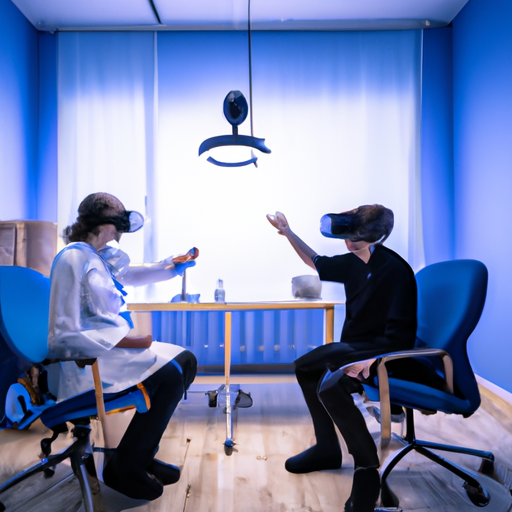
Healthcare providers are increasingly incorporating gaming elements into their treatment protocols. Virtual reality games are being used to treat PTSD in veterans, while simple puzzle games have shown promise in helping patients manage intrusive thoughts and anxiety. The interactive nature of games provides therapists with unique tools for engaging patients who might be resistant to traditional treatment methods.
The gaming industry has responded to this trend by prioritizing mental health considerations in game design. Major studios are now consulting with mental health professionals during development, ensuring their games include features like mood tracking, breathing exercises, and positive reinforcement mechanisms. Some developers have created specific modes or features designed to support players' emotional well-being.
Community aspects of gaming have proven particularly valuable for mental health support. Online gaming communities have evolved into support networks where players can discuss mental health challenges openly. Games that encourage cooperation and social interaction have been found to help combat loneliness and social isolation, particularly during the global pandemic.
The rise of games focusing on emotional intelligence and empathy has been particularly noteworthy. These titles often feature narratives that help players understand and process complex emotions, develop emotional vocabulary, and practice perspective-taking. This approach has proven especially effective with younger players who might struggle with traditional therapeutic approaches.
Mobile gaming has become an important platform for mental wellness applications. Apps that combine gaming elements with mindfulness practices have seen significant adoption, making mental health tools more accessible to broader audiences. These applications often include features like mood tracking, guided meditation, and cognitive behavioral therapy exercises wrapped in engaging game mechanics.
Researchers are also exploring the potential of artificial intelligence in game-based mental health interventions. AI systems can adapt game difficulty and content based on players' emotional states, providing personalized therapeutic experiences. Some developers are experimenting with AI-driven characters that can engage in meaningful therapeutic dialogue with players.
The educational sector has taken notice of these developments. Schools are beginning to incorporate mental health-focused games into their counseling programs, while universities are developing courses that explore the intersection of gaming and psychological well-being. This academic interest is driving further research and development in the field.
However, it's important to note that challenges remain. There are ongoing discussions about how to balance engaging gameplay with therapeutic effectiveness, and questions about the long-term impact of game-based interventions. Privacy concerns also exist regarding the collection and use of mental health data in gaming applications.
The future of gaming in mental health looks promising. Advances in technology, particularly in areas like biofeedback and neural interfaces, could enable more sophisticated therapeutic applications. The growing acceptance of gaming as a legitimate tool for mental wellness is likely to drive continued innovation in this space.
As we move forward, the integration of gaming and mental health support is likely to become more sophisticated and widespread. With continued research, technological advancement, and growing acceptance from healthcare professionals, games may become an increasingly important part of mental health treatment and support strategies. This evolution represents a significant opportunity to make mental health resources more accessible and engaging for diverse populations.