Modern multiplayer games are fundamentally changing how people form and maintain friendships online. New research shows that 67% of gamers consider their online gaming relationships as meaningful as real-world connections. The evolution of social features in games is creating unprecedented opportunities for global community building.

The gaming landscape has undergone a remarkable transformation in recent years, with social interaction becoming the cornerstone of modern gaming experiences. What was once a predominantly solitary activity has evolved into a powerful platform for building meaningful relationships and communities across global boundaries.
A recent study by the Digital Communities Research Institute has revealed that nearly two-thirds of active gamers now consider their online gaming relationships to be as significant as their real-world connections. This shift represents a fundamental change in how we perceive and value digital relationships, particularly among younger generations who have grown up in an interconnected gaming world.
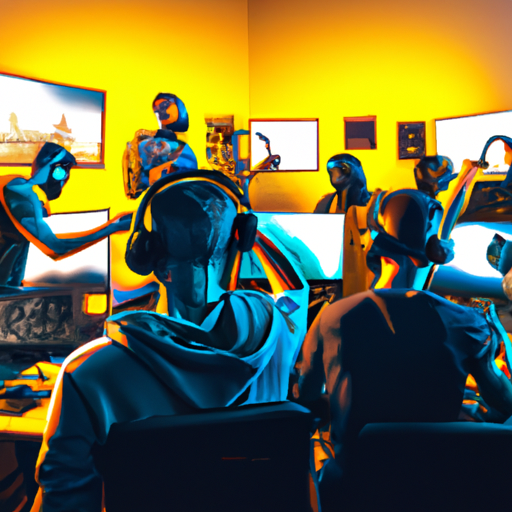
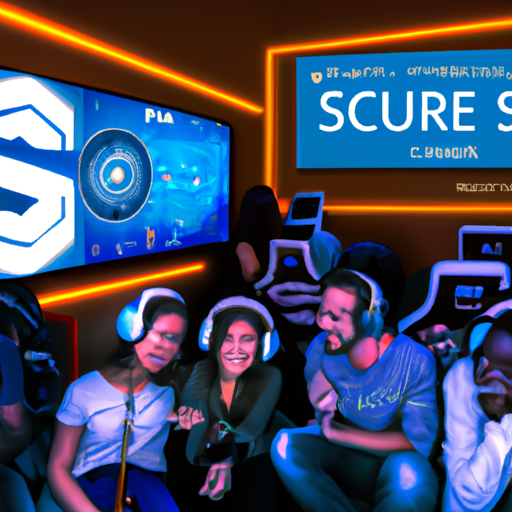
The architecture of modern multiplayer games has been carefully crafted to facilitate these connections. Games like Fortnite, Among Us, and Roblox have moved beyond simple gameplay mechanics to create virtual spaces where players can socialize, collaborate, and build lasting friendships. These platforms now feature sophisticated social systems including voice chat, emotes, shared experiences, and even virtual concerts and events.
The pandemic period served as a catalyst for this evolution, with millions turning to gaming as a primary means of social interaction during lockdowns. What emerged was not just a temporary solution to isolation, but a new paradigm for how people connect in the digital age. Many of these newly formed gaming communities have persisted and grown stronger even as traditional social opportunities have returned.
Game developers have taken notice of this social shift and are increasingly designing their games with community building as a core feature rather than an afterthought. This includes the integration of guild systems, team-based challenges, and social hubs where players can gather between gaming sessions. The success of games is now often measured not just by sales figures, but by the strength and engagement of their communities.
The psychological impact of these gaming relationships has become a subject of intense academic interest. Research indicates that shared gaming experiences can create bonds that are remarkably resilient and meaningful. The collaborative nature of many modern games, whether working together to achieve objectives or sharing in virtual adventures, creates a unique form of social bonding that can be particularly valuable for individuals who might struggle with traditional social interactions.
However, this evolution has not been without its challenges. Issues of toxicity, harassment, and addiction remain significant concerns within gaming communities. Developers and platform holders are investing heavily in moderation tools, reporting systems, and community guidelines to create safer and more welcoming spaces for all players.
The economic implications of social gaming are equally significant. Virtual items, cosmetic upgrades, and social features have become major revenue streams, with players willing to spend real money to enhance their social presence within games. This has led to the emergence of complex virtual economies and new forms of digital self-expression.
Looking ahead, the integration of new technologies promises to further enhance the social aspects of gaming. Virtual reality and augmented reality are creating more immersive ways to interact, while artificial intelligence is being used to facilitate better matchmaking and more natural social interactions within games.
The impact of social gaming extends beyond the gaming world itself. These digital relationships often translate into real-world connections, with gaming friends meeting in person at conventions, tournaments, or informal gatherings. Gaming communities have also become powerful forces for social good, organizing charity events and supporting causes important to their members.
Educators and mental health professionals are beginning to recognize the potential benefits of social gaming. When properly managed, these platforms can provide valuable opportunities for developing social skills, leadership abilities, and emotional intelligence. Some schools are even incorporating multiplayer games into their curriculum as tools for teaching collaboration and problem-solving.
As we look to the future, it's clear that social gaming will continue to evolve and shape how we connect with others. The lines between virtual and real-world relationships will likely continue to blur, creating new opportunities and challenges for society to navigate. What remains certain is that gaming has become far more than just a form of entertainment – it's now a vital platform for human connection in the digital age.