Discord has transformed from a gaming chat platform into a cultural phenomenon reshaping how gamers connect and build communities. Virtual spaces are becoming the new town squares for millions of players worldwide. The evolution of social gaming platforms is creating unprecedented ways for people to form meaningful relationships through shared digital experiences.

The gaming landscape has undergone a dramatic transformation in recent years, with social platforms becoming increasingly central to how players experience and share their gaming adventures. At the forefront of this evolution stands Discord, a platform that has transcended its original purpose as a gaming chat service to become a cultural cornerstone of the modern gaming community.
When Discord launched in 2015, few could have predicted its meteoric rise to become the de facto communication platform for gamers worldwide. What began as a simple voice chat alternative to established services like TeamSpeak and Ventrilo has evolved into a sophisticated ecosystem that hosts millions of communities, ranging from intimate friend groups to massive public servers with hundreds of thousands of members.
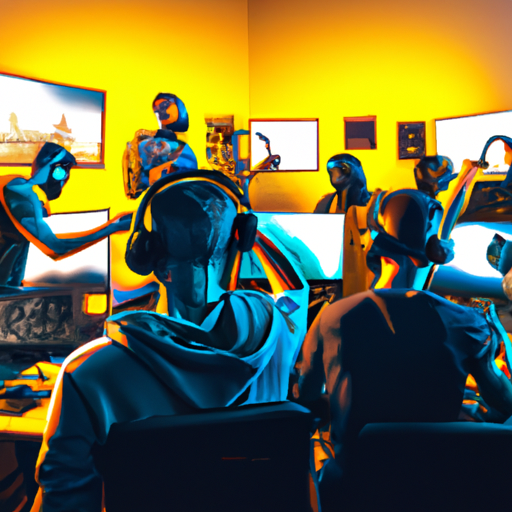
The platform's success can be attributed to its understanding of what gamers truly need - not just tools for communication, but spaces for community building. Unlike traditional social media platforms, Discord allows users to create highly customizable servers that function like virtual clubhouses, complete with different rooms for various activities, roles that help organize communities, and bots that automate tasks and add entertainment value.
This shift towards more social-focused gaming spaces has had profound implications for how people play and interact with games. Gone are the days when gaming was primarily a solitary activity or limited to real-time multiplayer sessions. Today's gamers maintain persistent connections with their communities, discussing strategies, sharing achievements, and building friendships that extend far beyond any single game.
The impact of these virtual spaces extends well beyond gaming itself. During the global pandemic, Discord servers became vital social lifelines for many, hosting virtual movie nights, study groups, and even wedding ceremonies. This versatility has helped break down the traditional barriers between gaming and other forms of social interaction, leading to more inclusive and diverse gaming communities.
The phenomenon has caught the attention of game developers, who are increasingly designing their games with social features in mind. Many modern games now include built-in Discord integration, allowing players to seamlessly connect with their communities while playing. This has created a new paradigm where the social experience is not just an add-on but a core component of game design.
One of the most interesting developments has been the rise of community-driven content creation. Discord servers have become launching pads for countless gaming-related projects, from modding communities to esports teams. These spaces provide the infrastructure for collaboration, allowing passionate players to work together on projects that enhance and extend their favorite games.
The platform has also become an important tool for game developers to maintain direct relationships with their player bases. Many studios now run official Discord servers where they can gather feedback, announce updates, and build excitement for upcoming releases. This direct line of communication has helped create more transparent and responsive development processes.
However, the rise of social gaming platforms has not been without challenges. Issues of moderation, privacy, and digital well-being have become increasingly important as these spaces grow. Platform operators and community managers must balance the need for open communication with the responsibility to maintain safe and healthy environments.
Looking to the future, the integration of social features in gaming seems likely to deepen further. The emergence of metaverse concepts and virtual reality spaces suggests that the lines between gaming, social interaction, and digital life will continue to blur. Platforms like Discord are well-positioned to evolve alongside these trends, potentially becoming even more central to how we experience digital entertainment.
The success of social gaming platforms has also influenced the broader technology industry. Companies outside of gaming are increasingly adopting Discord-like features and community-building approaches, recognizing the power of creating spaces where people can gather around shared interests.
As we look ahead, it's clear that the future of gaming will be inherently social. The communities formed through platforms like Discord are not just changing how we play games - they're reshaping how we form relationships and experience digital entertainment. In this new landscape, the connections we make and the communities we build may become just as important as the games we play.