
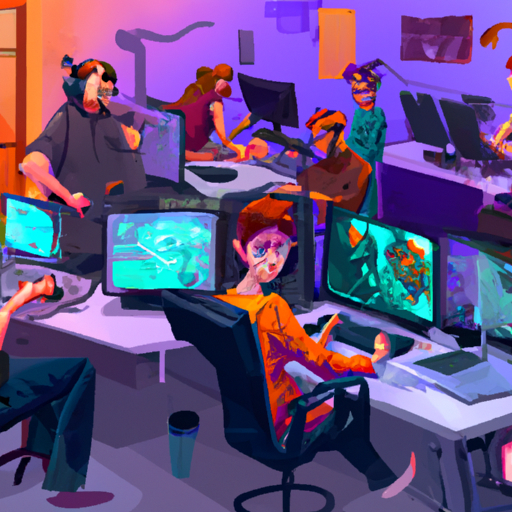
Independent game developers are creating some of the most innovative and memorable gaming experiences of our time. Small studios are leveraging new distribution platforms and development tools to compete with major publishers. The indie game movement has revolutionized storytelling and game design across the industry.
The rise of independent game development has fundamentally transformed the video game industry, ushering in an era of unprecedented creativity and innovation. What was once a niche segment of the gaming market has evolved into a powerful force that consistently delivers some of the most memorable and influential titles in modern gaming.
The democratization of game development tools has been a crucial factor in this transformation. Engines like Unity and Unreal have made professional-grade development tools accessible to small teams and individual creators. These platforms have lowered the technical barriers to entry, allowing developers to focus more on creative expression and innovative gameplay mechanics.
Digital distribution platforms have played an equally important role in the indie renaissance. Steam, the Epic Games Store, and console digital marketplaces have created direct routes to market for independent developers. These platforms have eliminated many of the traditional gatekeepers that once made it difficult for indie games to reach audiences.
Crowdfunding platforms like Kickstarter have revolutionized how indie games are financed. Successful campaigns have demonstrated that there's significant public appetite for unique and innovative gaming experiences, even if they don't fit traditional publishing models. This direct connection between developers and players has enabled the creation of games that might never have existed under traditional funding models.
The impact of indie games on storytelling in the medium cannot be overstated. Free from the commercial pressures faced by larger studios, indie developers have pushed boundaries in narrative design and emotional storytelling. Games like "Undertale," "Disco Elysium," and "Hades" have demonstrated that indie studios can deliver deeply compelling narratives that rival or exceed those of AAA productions.
Indie developers have also been at the forefront of experimenting with new gameplay mechanics and genre combinations. The willingness to take risks and challenge conventional design wisdom has led to the creation of entirely new genres and subgenres. This innovation has influenced the broader industry, with larger studios often adopting mechanics and ideas pioneered by indie developers.
The success of indie games has also contributed to a broader diversification of gaming experiences. Independent developers often come from varied backgrounds and bring different perspectives to game design. This diversity has resulted in games that explore themes, cultures, and experiences that were previously underrepresented in the medium.
The indie game movement has had a significant impact on visual design in games as well. Without the pressure to pursue photorealistic graphics, indie developers have embraced distinctive visual styles that prioritize artistic expression over technical sophistication. This has led to a renaissance in game aesthetics, with pixel art, hand-drawn animation, and abstract styles finding new appreciation.
Community building has become a crucial element of indie game development. Social media and platforms like Discord have allowed developers to build engaged communities around their games long before release. This direct connection with players has enabled more iterative development processes and helped create loyal fan bases that contribute to long-term success.
The influence of indie games extends beyond individual titles to impact industry practices and player expectations. Independent developers have pioneered more transparent development processes, often sharing regular updates and involving communities in decision-making. This approach has pressured larger studios to become more open with their own development processes.
The economic success of certain indie titles has demonstrated that smaller budgets don't necessarily mean smaller impact. Games like "Stardew Valley" and "Among Us" have achieved massive commercial success while maintaining their independent spirit. These success stories have inspired more developers to pursue independent development and attracted more investment to the indie space.
However, the growth of the indie game sector has also brought challenges. The sheer volume of releases can make it difficult for quality games to find their audience. Marketing and discoverability have become increasingly crucial challenges for independent developers to overcome.
Looking to the future, the indie game scene continues to evolve. New technologies like VR and AR are providing new opportunities for innovation, while improvements in development tools are making it easier for small teams to create more ambitious projects.
The sustainability of indie game development remains a crucial discussion point within the industry. While success stories grab headlines, many developers struggle to make their projects financially viable. The industry continues to explore new models for supporting independent development, from publisher partnerships to subscription services.
The indie game renaissance represents more than just a market segment – it's a fundamental shift in how games are created, distributed, and experienced. As technology continues to evolve and new platforms emerge, independent developers will likely continue to be at the forefront of innovation in the gaming industry, pushing boundaries and challenging conventions in ways that enrich the medium as a whole.