

Mobile gaming has transformed from simple puzzle games to hosting million-dollar tournaments in just a decade. The rise of games like PUBG Mobile and Mobile Legends has created a new generation of professional players. Asia's massive mobile esports scene is now influencing the global competitive gaming landscape.
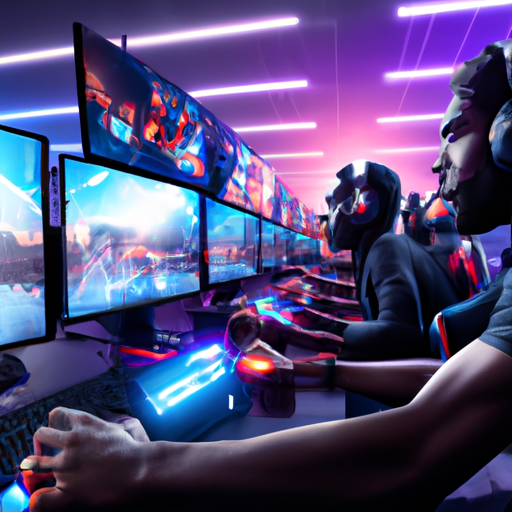
The mobile gaming industry has undergone a remarkable transformation that few could have predicted when the first smartphones hit the market. What began as a platform for casual puzzle games and simple time-killers has evolved into a legitimate competitive ecosystem that rivals traditional PC and console esports in both scale and prize money.
The turning point for competitive mobile gaming came with the introduction of multiplayer online battle arena (MOBA) games specifically designed for mobile devices. Titles like Mobile Legends: Bang Bang and Arena of Valor demonstrated that complex, skill-based gameplay was not only possible on mobile devices but could thrive in the format. These games quickly built massive player bases, particularly in Southeast Asia, where mobile phones are often the primary gaming platform for many players.
The release of PUBG Mobile in 2018 marked another significant milestone in mobile esports evolution. The game's success proved that sophisticated battle royale experiences could be successfully adapted for mobile platforms, and its competitive scene grew rapidly. Within just a few years, PUBG Mobile tournaments were offering prize pools that matched or exceeded those of many traditional esports events.
The technical advancement of mobile devices has played a crucial role in this evolution. Modern smartphones pack enough processing power to run graphically impressive games with smooth frame rates, while improvements in touch screen technology and the development of specialized gaming accessories have made precise control possible. This has helped close the gap between mobile and traditional gaming platforms in terms of competitive viability.
The accessibility of mobile gaming has been key to its competitive growth. Players can practice anywhere, anytime, without the need for expensive gaming rigs or consoles. This has led to the emergence of talented players from regions that historically had limited access to gaming hardware, particularly in developing countries. The result has been a more diverse and globally representative competitive scene.
Mobile game developers have also learned valuable lessons about designing for competitive play. Modern mobile esports titles feature sophisticated matchmaking systems, comprehensive spectator modes, and robust tournament infrastructure. These elements have helped create a more professional and watchable competitive environment that appeals to both players and audiences.
The economic model of mobile esports has proven particularly sustainable. The free-to-play nature of most mobile games, combined with microtransactions and sponsorship opportunities, has created a healthy ecosystem that can support professional players and organizations. Many mobile gaming companies have invested heavily in their competitive scenes, creating official leagues and providing support for third-party tournaments.
The impact of mobile esports has been particularly pronounced in Asia, where companies like Tencent and Moonton have built sophisticated competitive ecosystems. The Mobile Legends Professional League (MPL) operates in multiple countries, with structured seasons, relegation systems, and significant prize pools. This level of organization has helped legitimize mobile esports and create viable career paths for players.
The success of mobile esports has also influenced game design across the industry. Traditional game developers are increasingly considering mobile versions of their titles, often with competitive play in mind. The line between mobile and traditional gaming continues to blur, with cross-platform play becoming more common and mobile versions of games receiving equal competitive support.
Looking forward, the future of competitive mobile gaming appears bright. The continuing improvement of mobile technology, including the rollout of 5G networks, promises to enable even more sophisticated gaming experiences. The potential introduction of cloud gaming services could further level the playing field between mobile and traditional platforms.
However, challenges remain. Touch screen controls, while much improved, still present limitations for certain game types. The mobile platform also faces unique challenges in terms of competitive integrity, with concerns about cheating and device consistency requiring ongoing attention from tournament organizers.
Despite these challenges, the trajectory of competitive mobile gaming suggests it will continue to grow in importance within the broader esports landscape. As mobile devices become more powerful and new generations of players enter the competitive scene, mobile esports may eventually become the dominant form of competitive gaming in many regions of the world.
The evolution of mobile gaming from casual distraction to legitimate esport represents a significant shift in how we think about competitive gaming. It demonstrates that with the right combination of technology, game design, and community support, any platform can become a viable competitive environment. As mobile gaming continues to evolve, it will likely play an increasingly important role in shaping the future of competitive gaming as a whole.